


I never really thought much about protecting my ears. Growing up, I watched my dad mow the lawn every weekend, wearing nothing but a baseball cap. As an adult, I developed the same habit—mowing the lawn, trimming hedges, using power tools in the garage, and sometimes even helping friends with woodworking projects. Back then, the noise never seemed like a big deal; it was just part of the job.
Over time, though, I started noticing something worrying. After an afternoon of mowing or using the saw, I’d hear a faint ringing in my ears—the kind that only appears when everything else is quiet. I brushed it off at first, until one day my kids said something that hit me hard: “Dad, we had to call you two or three times and you didn’t hear us—are your ears okay?”
That’s when it really sank in. My hearing might already be declining. I didn’t want to end up having to crank the TV volume up or miss half of what my family says in noisy rooms. I started researching, and the numbers shocked me. According to the World Health Organization, over 1.1 billion young people worldwide are at risk of hearing loss due to loud sounds, and nearly 466 million people are already living with disabling hearing loss. Suddenly, that little ringing in my ears didn’t feel so small anymore.
I decided it was time to take action. Honestly, I used to think hearing protection was only for shooters at the range or people working in giant factories. But my backyard can get just as loud. Lawn mowers, leaf blowers, power drills, table saws—they can easily reach 90 to 100 decibels. Long exposure is enough to cause permanent damage.
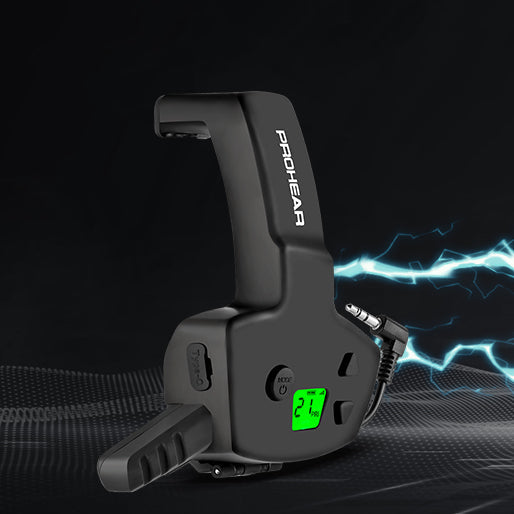
The first time I put on the PROHEAR 037 ear muffs, I noticed two things immediately:
-
The roar of the mower was reduced to a gentle hum, and I could still be aware of my surroundings.
-
They were surprisingly comfortable. I’ve tried cheaper ear protection before, and my head would hurt after 20 minutes. With these, I could work for hours without discomfort.
Using them in the garage made a huge difference too. Long projects with saws, hammers, or drills no longer left my ears ringing. My wife noticed that I wasn’t asking her to repeat herself after a long Saturday of yard work, and my kids stopped complaining that I couldn’t hear them calling.
The most touching moment came when my kids secretly bought me a pair of PROHEAR 037 ear muffs. They said, “Dad, this way your ears won’t get hurt by loud noises.” That small gesture made my heart warm. It wasn’t just a practical gift—it was their way of showing love and concern.
Giving ear protection as a gift has since become something I do for family and friends too. Birthdays, holidays, or even just because—it’s a way to show you care about someone’s hearing. Every time I hand a pair to a loved one, I say: “This is to protect your ears and let you enjoy what you love safely.”
Looking back, I wish I had started sooner. Hearing loss doesn’t happen overnight—it creeps up until one day you find yourself raising the TV volume or missing conversations in noisy environments. Making ear protection a habit is simple, like putting on gloves or safety glasses.
Now, whenever I gear up for yard work or garage projects, the PROHEAR 037 ear muffs go on automatically. And when my kids hand me my own pair, I feel more than noise blocked out—I feel cared for, protected, and loved.
If you’re still toughing it out without hearing protection, don’t wait too long. Hearing loss is permanent, but prevention is simple—get a pair for yourself, and even better, for the people you care about. It might not be the flashiest gift, but it’s certainly one of the most practical, thoughtful, and lasting ones you can give. I learned this lesson the hard way, and I’m not making that mistake again.

It’s heartening to see how your children’s perspective changed your approach to safety; it really underscores that hearing protection is a family investment. I’ve been following the discussion here, especially the points made by Maria and Amanda regarding international compliance and the administrative side of moving abroad. Since I’m currently looking into safety equipment standards for a corporate project based in South America, I’ve been diving deep into regional verification protocols. I noticed that for certain professional sectors in Peru, there are very specific integrity audits and operational requirements, similar to those analyzed on https://GuiadeApuestaTotalPeru.com for local certified operators. Does anyone know if PROHEAR provides a formal Declaration of Conformity or specific ISO certifications that would satisfy a technical safety audit for a residency or work permit in that region, or is the documentation usually handled through a more general tax identification process like the NIF mentioned earlier?